
That 2 a.m. Furnace Click: Should You Worry?
It’s the middle of the night. The baby finally fell asleep. Then you hear the furnace kick on, and a little voice in your head asks, “Is that thing safe?”
Sound familiar?
If you have an infant or young kids at home, you’re not just thinking about staying warm. You’re thinking about carbon monoxide, gas smells, and that odd noise from the basement. It’s a lot. And it’s frustrating when nobody gives you a clear, plain answer.
Here’s the good news. Most furnace danger is preventable, and good furnace maintenance is how you prevent it. In this guide, you’ll learn why kids are more at risk, what you can safely check yourself, what only a pro should touch, and how to tell a normal furnace quirk from a real warning sign.
Why Little Lungs Change the Furnace Conversation
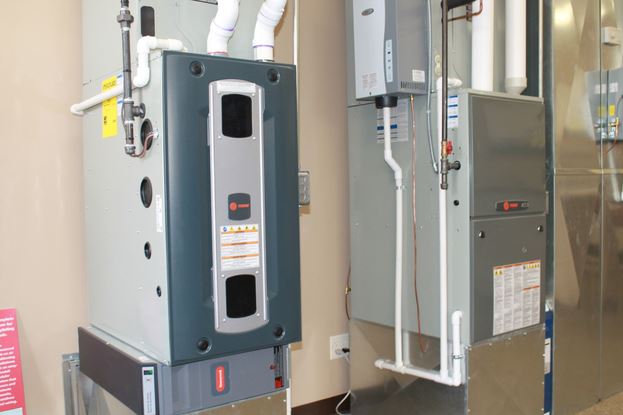
Carbon monoxide (CO) is a gas you can’t see, smell, or taste. Furnaces that burn natural gas make it as part of normal operation. A healthy furnace sends that gas safely out of your home through the vent pipe. A neglected one might not.
Here’s the thing about kids. Babies and young children breathe faster than adults, and their bodies are smaller. That means they can be affected by CO sooner and at lower levels than the grown-ups in the same house.
There’s another tricky part. Early CO symptoms look a lot like the flu: headache, upset stomach, sleepiness, and dizziness. A baby can’t tell you they have a headache. They might just seem fussy or extra sleepy.
So if everyone in the house feels “flu-ish” at the same time, and it gets better when you leave home, take that seriously. Get everyone outside and call 911.
Where Carbon Monoxide Actually Comes From
In most furnace CO problems, the cause is one of three things. The first is a cracked heat exchanger, which is the metal part that keeps flame and exhaust separate from the air you breathe. The second is a blocked or loose vent pipe. The third is a burner that isn’t getting enough air, so it burns “dirty.”
Notice something? You can’t see any of these from your living room. That’s exactly why a yearly inspection by a trained tech matters so much.
The Furnace Maintenance Jobs You Can Do This Weekend
You don’t need tools or a trade license to handle the basics. These small habits make a real difference, and they only take a few minutes.
Change the Filter More Often Than the Box Says
Most filter boxes say “every 90 days.” That’s fine for a house of two adults. But homes with babies, pets, or a lot of foot traffic usually need a new filter every 30 to 60 days.
A clogged filter makes your furnace work harder and run hotter. Over time, that extra heat stress can wear down parts, including the heat exchanger. Set a phone reminder for the first of every month and just take a look. If it’s gray and fuzzy, swap it.
Give the Furnace Some Breathing Room
Basements and utility closets tend to become storage zones. Laundry piles up. Toy bins get stacked. Holiday boxes find a home right next to the furnace.
Try to keep about 3 feet clear around the unit. Never store paint, gas cans, or cleaning sprays nearby. And if your furnace lives near a basement play area, think about a simple gate so small hands stay away from hot parts and the gas line.
Test Your CO Detectors Like You Mean It
Push the test button on every carbon monoxide detector once a month. You want one on every floor and one in the hallway outside each sleeping area, including the nursery.
Look, a lot of people don’t know this part: CO detectors wear out. Most last somewhere between 5 and 10 years. Check the date printed on the back. If you can’t find a date, or it’s past its life, replace it. That small purchase can buy you a lot of peace of mind.
Check the Outside Vent
Walk outside and find where your furnace vents. On many newer high-efficiency furnaces, it’s a white plastic pipe on the side of the house. Make sure leaves, snow, bird nests, or a stray kiddie pool aren’t blocking it. A blocked vent can push exhaust back into your home.
What Only a Pro Should Handle
This is where some parents feel a little overwhelmed. You want to do it all yourself. But some furnace jobs simply aren’t DIY jobs, especially with gas involved.
A professional tune-up should include checking the heat exchanger for cracks, testing for CO near the furnace and in the vent, cleaning and adjusting the burners, checking the gas pressure, testing all safety switches, and making sure the system drafts the right way. These steps take special tools and real training.
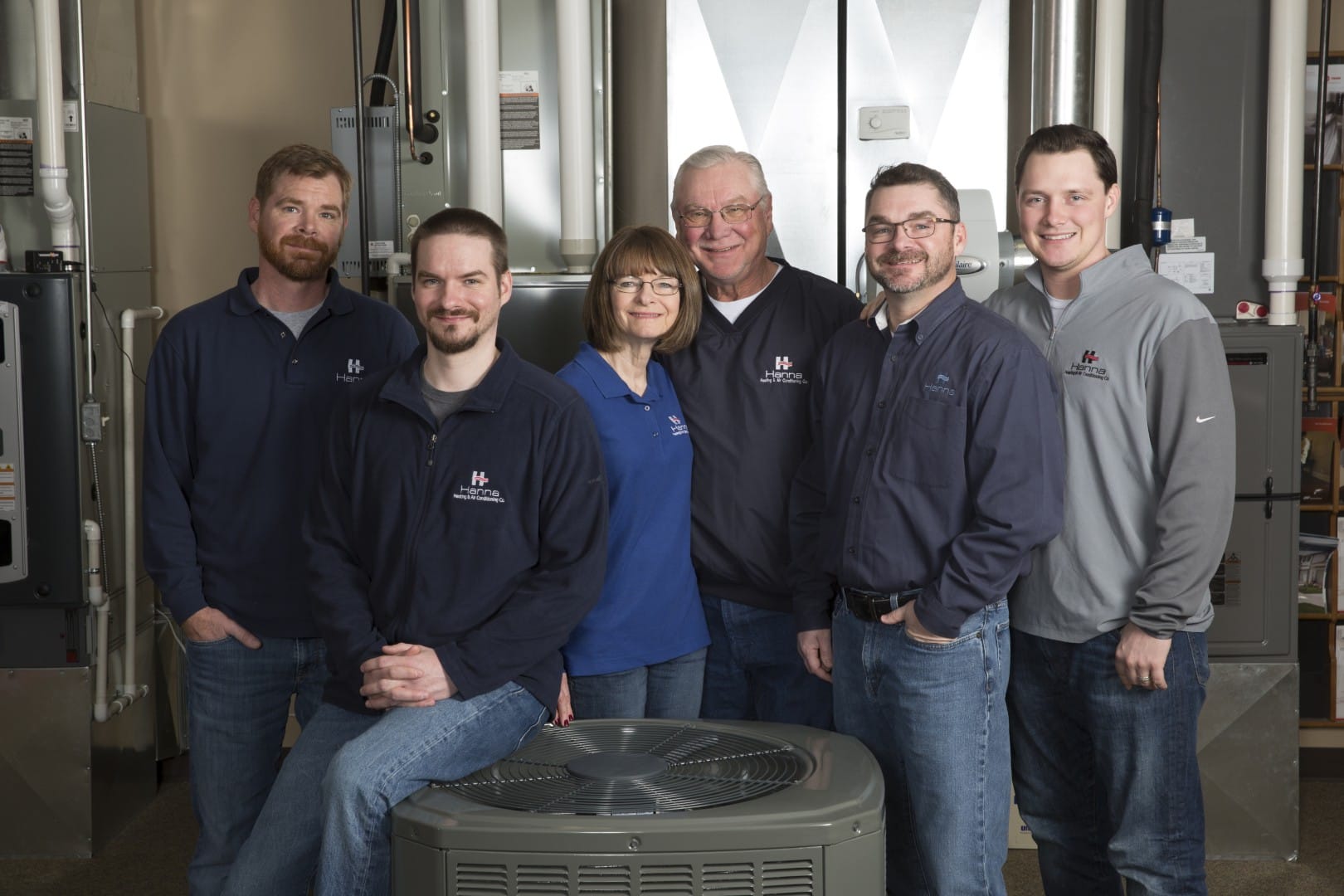
At Hanna Heating & Air, many of our technicians have spent 20 years or more working on Wichita-area furnaces. That kind of time on the job teaches you what a tired heat exchanger looks like long before it fails. It also teaches you which furnace models around here tend to have trouble at certain ages.
DIY vs. Pro: A Quick Guide for Busy Parents
| Task | Who Does It | How Often | Why It Matters for Families |
|---|---|---|---|
| Check/replace air filter | You | Every 30–60 days | Cleaner air for small lungs; less strain on parts |
| Test CO detectors | You | Monthly | Your early warning system |
| Replace CO detectors | You | Every 5–10 years (check label) | Old sensors lose accuracy |
| Clear 3 feet around furnace | You | Ongoing | Lowers fire risk; keeps kids away from hot parts |
| Check outdoor vent | You | Monthly in winter | Prevents exhaust from backing up |
| Heat exchanger inspection | Licensed pro | Once a year | Cracks are the top source of furnace CO |
| Burner cleaning and gas pressure check | Licensed pro | Once a year | Clean, steady flame means safer burning |
| Safety switch and draft testing | Licensed pro | Once a year | Makes sure the furnace shuts down if something goes wrong |
Normal Quirk or Real Warning Sign?
Here’s what matters most. Not every odd sound or smell means danger. Knowing the difference can save you from a sleepless night and from an unneeded panic call.
The Smells
A light burning-dust smell the first time you turn on the heat each fall is normal. Dust settles on the burners over summer and burns off. It should fade within an hour or so. If it hangs around for days, get it checked.
A rotten-egg smell is different. That’s the warning scent gas companies add to natural gas. If you smell it, don’t flip light switches or use anything that could spark. Get everyone out of the house, then call your gas company and 911 from outside. In Wichita, that’s Kansas Gas Service. Once the gas company says it’s safe, call a furnace pro to find the cause.
The Flame
If you can see your burner flame through a small window, take a look. A healthy flame is mostly steady and blue. A lazy, flickering, yellow or orange flame can mean the furnace isn’t burning cleanly. That’s a sign to schedule a visit soon.
The Sounds
A soft whoosh when the burners light is normal. Loud booms, screeching, or rattling are not. These often point to a delayed ignition, a worn motor, or a loose part. None of these should be ignored with kids in the house.
The Exception
Here’s the exception to the “quirks are okay” rule: if your CO detector goes off, treat it as real every time. Don’t assume it’s a glitch. Get everyone outside, call 911, and don’t go back in until responders say it’s safe.
The Nursery Check Most Guides Skip
Most furnace maintenance articles stop at the furnace. But if you have a baby, the nursery deserves its own quick check.
Start with the register. Make sure the vent isn’t blocked by a crib, dresser, or rug. Blocked vents make rooms uneven and push your furnace to run longer.
Next, think about air moisture. Kansas winters are dry, and furnace heat makes it drier. Dry air can mean stuffy noses and cracked lips for little ones. Many pediatric sources suggest keeping indoor humidity somewhere around 30 to 50 percent. A cheap humidity gauge from the hardware store will tell you where you stand.
Finally, think twice about space heaters in the nursery. They’re a common way parents try to fix a “cold room.” But a cold room is often a duct, airflow, or furnace sizing problem. Fixing the cause is safer than adding another heat source next to a crib.
When Is the Best Time for a Furnace Tune-Up in Kansas?
Ideally? Before the first real cold snap.
In south-central Kansas, that first cold night can sneak up on you, often in late October or November. When it hits, everyone turns on their heat on the same evening. Problems that hid all summer show up all at once. And every heating company’s phone starts ringing.
Scheduling your tune-up early means you get a calm visit on your schedule, not a rushed one on a freezing night. It also means any repairs happen before your family depends on the heat 24 hours a day.
That’s part of why Hanna Heating & Air built its VIP Home Maintenance Program. Members get two seasonal tune-ups each year (one for heating, one for cooling), priority status on service calls, 10% off parts and labor, and 5% off a replacement system. For busy parents, it means one less thing to remember.
What If Something Goes Wrong Anyway?
Even well-kept furnaces can break. Parts wear out. Storms knock out igniters. A 15-year-old blower motor finally gives up.
When that happens on a cold night with a baby at home, you want help fast. Hanna Heating & Air has more than 70 trucks in the field and three locations in West Wichita, Andover, and Newton. That depth matters most on the nights when half the city is calling at once. You can learn more about our emergency repair service or schedule heating repair online.
And if your tech finds that your furnace is near the end of its life, don’t panic. A new system is a big decision, but it’s also a chance to get something safer and more efficient. Our team can walk you through heating installation options and financing without pressure.
Frequently Asked Questions
How often does a furnace need maintenance if I have young kids?
A professional furnace maintenance visit once a year is the standard, ideally in early fall. With kids at home, the bigger change is on your side: check the filter monthly, change it every 30 to 60 days, and test your CO detectors monthly. Those small habits catch problems between yearly visits.
Can a furnace leak carbon monoxide even if it seems to work fine?
Yes. A furnace can heat your home normally while a small crack in the heat exchanger lets exhaust slip into the air. That’s why working CO detectors and a yearly inspection with a heat exchanger check matter, even when nothing seems wrong.
Is it safe to run my furnace if it hasn’t been serviced in a few years?
It may be, but you can’t know for sure without an inspection. If your furnace has gone two or more years without a checkup, make sure your CO detectors work and schedule a tune-up soon. If you notice a yellow flame, odd smells, or family members with flu-like symptoms that ease when you leave home, stop using it and call a pro.
What does a furnace tune-up cost compared to a repair?
A routine tune-up generally costs far less than an emergency repair, especially an after-hours one. Many homeowners find a maintenance plan saves money over time through member discounts and by catching small issues early. Contact Hanna for current pricing in your area.
Warm, Safe, and One Less Thing to Worry About
Being a parent comes with plenty of worry. Your furnace shouldn’t add to the pile.
Here’s the short version. Change your filter more often than the box says. Test your CO detectors every month, and replace them when they expire. Keep the area around your furnace clear and your outdoor vent open. Then let a trained pro handle the parts you can’t see, once a year, before the cold sets in.
Do that, and the next time the furnace clicks on at 2 a.m., you can roll over and go back to sleep.
Ready to check furnace maintenance off your list? Schedule your tune-up or join the VIP program today. Got a furnace question we didn’t answer? Drop it in the comments, and our team will weigh in.


Add Comment