
Why Is Your Gas Bill Climbing When Nothing Changed?
You keep the thermostat at the same number every winter. You haven’t added a room or a new family member. Yet your gas bill keeps creeping up, year after year.
Sound familiar?
It’s frustrating. And if your furnace is 10 years old or older, there’s a good chance the furnace itself is the reason. Older furnaces don’t usually die all at once. They slowly get worse at their one job, which is turning gas into heat.
Here’s the good news. Regular furnace maintenance can win back a lot of that lost efficiency. In this guide, you’ll learn why older furnaces waste gas, what a real tune-up checks, what you can safely do yourself, and how to tell when maintenance isn’t enough anymore.

The Slow Leak You Can’t See: How Old Furnaces Lose Efficiency
Every gas furnace has an efficiency rating called AFUE. It tells you how much of the gas you pay for turns into heat for your home. An 80% AFUE furnace turns 80 cents of every gas dollar into heat. The other 20 cents goes up the flue.
But that rating is for a brand-new furnace on day one. It’s not a promise for year 12.
Dirt, Dust, and Drift
Over time, small things pile up. A dirty flame sensor makes the burners shut off and restart. Dust coats the blower wheel, so it moves less air. Burners get rusty or clogged, and the flame burns less cleanly.
None of these problems is dramatic by itself. Together, they can quietly push your real efficiency below what’s printed on the label. Kansas makes it worse, too. Our wind and dust mean filters and blowers get dirty faster than they would in many other places.
What That Looks Like in Dollars
Let’s do some quick math. Say you spend $1,000 a year heating your home with an 80% furnace that’s working right. If neglect drops its real efficiency to 75%, that same warmth now costs about $1,067.
That’s not a huge jump in one year. But it adds up every winter, and the slide usually keeps going. Want to know the frustrating part? Most homeowners never notice. They just assume gas prices went up.
What a Real Furnace Tune-Up Actually Checks
Look, not all tune-ups are equal. Some are a quick filter swap and a sticker on the door. A real tune-up on an older furnace is a hands-on check of the parts that waste gas and the parts that keep your family safe.
Here’s what a thorough visit should cover and why each step matters for your bill.
| Tune-Up Task | What the Tech Is Looking For | How It Affects Your Gas Bill |
|---|---|---|
| Clean the flame sensor | Carbon buildup that causes short cycling | Fewer wasted start-ups means less gas burned |
| Inspect and clean burners | Rust, debris, or a lazy, uneven flame | Clean flames burn gas more completely |
| Check the heat exchanger | Cracks, rust, or holes | Safety first; cracks can leak carbon monoxide |
| Measure temperature rise | Heat gain across the furnace, compared to the maker’s range | Shows if heat is actually reaching your rooms |
| Clean and check the blower | Dust on the wheel, weak motor, worn belts | Better airflow means shorter run times |
| Test the inducer motor and pressure switch | Noisy bearings, weak draft | Keeps exhaust venting out the right way |
| Check gas pressure | Pressure too high or too low | Wrong pressure wastes gas or overheats parts |
| Inspect venting and flue | Blockages, gaps, rust | Safe exhaust and proper draft |
| Test the thermostat | Wrong readings, bad settings | Stops the furnace from running when it doesn’t need to |
The Step Most People Skip: Temperature Rise
Here’s the thing. Temperature rise is one of the most useful tests on an older furnace, and plenty of quick tune-ups skip it.
Your furnace’s data plate lists an acceptable range, often something like 35 to 65 degrees. A good tech measures the air temperature going in and coming out. If the number falls outside that range, it tells them something specific. Too high often points to an airflow problem like a clogged filter or dirty blower. Too low can mean the furnace isn’t firing right.
That one reading turns a guess into a diagnosis. It’s the difference between “your furnace seems fine” and “here’s exactly why you’re paying more.”
Why Older Furnaces Need a Closer Look
A five-year-old furnace and a 15-year-old furnace need different attention. Older units have worn parts that a new furnace doesn’t have yet. Motors have thousands of hours on them. Heat exchangers have expanded and cooled through many winters.
That’s why the heat exchanger check matters so much after year 10. A cracked heat exchanger isn’t just an efficiency problem. It can let carbon monoxide into your air. Every home with a gas furnace should have working CO detectors, no matter how old the furnace is.
What You Can Do Between Visits
You don’t need a tech for everything. A few simple habits keep your furnace healthier between yearly tune-ups.
Change the Filter More Than You Think
The filter is the cheapest fix there is. A clogged one chokes airflow, makes your furnace run longer, and can make it overheat. Most 1-inch filters need changing every one to three months. If you have pets, allergies, or a dusty Kansas spring, lean toward the shorter end.
Check it monthly during heating season. Hold it up to a light. If you can’t see light through it, swap it.
Keep Vents and the Furnace Area Clear
Walk through your house and look at your supply vents and return grilles. Furniture, rugs, and curtains often block them without anyone noticing. Blocked vents make the furnace work harder for the same warmth.
Also keep the area around the furnace clear. Storage boxes, paint cans, and laundry piles don’t belong next to a gas appliance.
Know When to Stop
This doesn’t work if you start taking panels off and poking at gas parts. The burners, gas valve, and heat exchanger are jobs for a trained technician. Leave those alone, and if you ever smell gas, leave the house and call your gas company from outside.
Is It Time to Repair, Maintain, or Replace?
This is where many homeowners feel stuck. You might feel overwhelmed by the choice. Nobody wants to spend thousands on a new furnace too early. But nobody wants to keep pouring money into a furnace that’s on its way out, either.
A Simple Rule of Thumb
Many HVAC pros use a quick test. Multiply your furnace’s age by the cost of the repair. If the number is over $5,000, replacement usually makes more sense.
For example, a $300 repair on a 12-year-old furnace equals $3,600. That repair is probably worth doing. A $600 repair on a 15-year-old furnace equals $9,000. That’s a sign to start looking at options.
It’s not a perfect rule. The exception is a furnace that’s otherwise in great shape and was a quality install. But it’s a solid place to start the conversation.
Signs Maintenance Won’t Fix It
Some problems go beyond what a tune-up can solve. A cracked heat exchanger is the big one. Others include repairs that keep stacking up winter after winter, rooms that never feel even, and a furnace that runs almost nonstop on cold days.
Here’s what matters most. If your furnace is 15 to 20 years old and your bills keep rising after a good tune-up, efficiency loss may be baked in. At that point, you’re paying extra every month to keep an old machine going.
What an Upgrade Could Save
Remember that $1,000 heating bill from an 80% furnace? Heating the same home with a 96% AFUE furnace would cost about $833. That’s real money back in your pocket every year, and it keeps coming for the life of the system.
High-efficiency gas furnaces aren’t the only path, either. Heat pumps, ductless mini-split systems, and geothermal systems can all make sense for certain Kansas homes. The right answer depends on your house, your ducts, and your budget. That’s why an honest in-home look matters more than any online calculator.
If replacement is the right call, you can explore heating installation options and financing to spread out the cost.
The Best Time for Furnace Maintenance in Kansas
Early fall is the sweet spot. You want your furnace checked before the first real cold snap, not during it. When the first freezing night hits, phones at every HVAC company light up at once.
Getting in early also means any problems get found while you still have time to think. A surprise repair in October feels a lot better than a no-heat call in January.
Missed the early window? That’s okay. A tune-up in the middle of winter still beats no tune-up at all.
How Hanna Heating & Air Keeps Older Furnaces Running Right
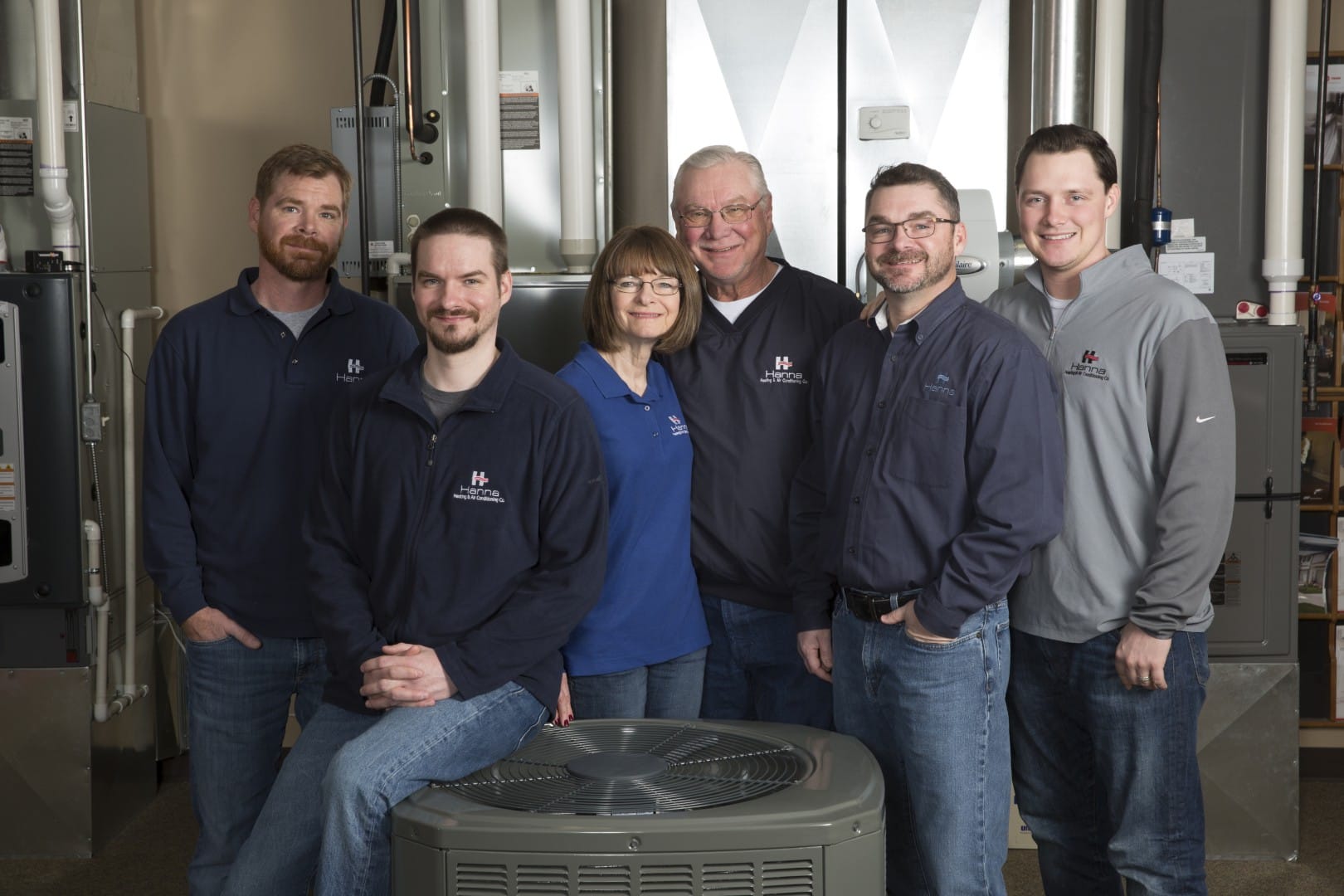
Since Pam and Carl Hanna started the company in 1983, Hanna Heating & Air has worked on just about every kind of furnace Wichita has. That includes the 15- and 20-year-old units that newer shops may rarely see. More than a dozen team members have 20 or more years in Wichita HVAC, so they’ve seen how older furnaces wear down and what actually fixes them.
That experience matters when your furnace is past its 10th birthday. A seasoned tech knows which worn parts are normal and which ones are warning signs. They’ll tell you plainly whether a tune-up will help or whether you’re throwing good money after bad.
Hanna Heating & Air also has more than 70 trucks in the field and locations in West Wichita, Andover, and Newton. That depth helps on the busy days when the weather turns and everyone calls at once.
A Plan That Keeps You Ahead of the Season
Want to stop thinking about tune-ups altogether? The VIP Home Maintenance Program from Hanna Heating & Air includes two seasonal tune-ups each year, one for heating and one for cooling. Members also get priority service, 10% off parts and labor on repairs, and 5% off replacements.
For an older furnace, that yearly check-in is a big deal. Small problems get caught while they’re still small and cheap.
Frequently Asked Questions
How often does an older furnace need maintenance?
Once a year, ideally in early fall before heating season. Furnaces over 10 years old benefit the most because worn parts and buildup affect them more. Change the filter every one to three months between visits.
Can furnace maintenance really lower my gas bill?
Yes, when the furnace has lost efficiency to dirty burners, a dirty flame sensor, poor airflow, or wrong gas pressure. A tune-up fixes those causes. It won’t make a 15-year-old 80% furnace perform like a new 96% model, though.
What’s the most important check on a furnace over 10 years old?
The heat exchanger inspection. Cracks can leak carbon monoxide into your home, and the risk grows with age. After that, the temperature rise test is the best way to spot hidden airflow and firing problems.
How do I know if I should replace instead of repair?
Multiply the furnace’s age by the repair cost. If it’s over $5,000, replacement often makes more sense. Rising bills after a tune-up and repeated repairs are other strong signs.
Warm House, Lower Bills, and One Less Thing to Worry About
Your furnace doesn’t have to be a mystery that costs more every winter. Older furnaces lose efficiency slowly, through dirt, wear, and small problems nobody sees. A real tune-up finds those problems and fixes them, and it keeps your family safe while it’s at it.
Do your part with regular filter changes and clear vents. Get a thorough check every fall. And when the math says it’s time, upgrading can turn a rising bill into steady savings.
Ready to see where your furnace stands? Schedule your furnace tune-up with Hanna today, and head into winter feeling relieved instead of worried.

Add Comment