
Is Your Old Furnace Trying to Tell You Something?
It’s the first real cold night in Wichita. You bump up the thermostat, and the furnace clicks… hums… and then nothing. Again.
Sound familiar? If your furnace is 10 years old or more, you’ve probably had a few of these nights. Maybe it was the igniter last winter. A flame sensor the year before. Each repair felt reasonable on its own. But now you’re wondering if you’re pouring money into a machine that’s on its way out.
Here’s the thing: you don’t have to guess. Good furnace maintenance does more than keep an older system running. It gives you real facts to make the fix-or-replace call with confidence. In this guide, you’ll learn what an older furnace needs, which warning signs matter, and a simple way to decide when repair stops making sense.
Why Older Furnaces Need a Different Kind of Care
A brand-new furnace mostly needs a clean filter and a yearly check. An older one is a different story.
After about a decade, parts start wearing out on their own schedules. The blower motor bearings get tired. The igniter gets brittle. Rust can form where it shouldn’t. None of this means your furnace is doomed. It just means maintenance has to look closer and catch more.
The Parts That Wear Out First
Most furnaces last 15 to 20 years with good care. But the parts inside don’t all age at the same pace.
Hot surface igniters often fail somewhere between years 7 and 12. They glow red-hot every time the furnace starts, so they simply wear out. Flame sensors get coated with grime and stop reading the flame correctly, which makes the furnace shut off a few seconds after lighting. Inducer motors, which push exhaust out of your home, start to whine or rattle as they age.
These are common, fixable problems. A trained technician spots them during a tune-up, often before they leave you cold at 2 a.m. And if one does fail, professional furnace repair usually gets you warm again the same day.
The One Part That Changes Everything
Then there’s the heat exchanger. This is the metal chamber that heats your air while keeping combustion gases away from it.
Over years of heating up and cooling down, the metal can crack. A cracked heat exchanger is serious because it can let carbon monoxide escape. It’s also usually the point where repair stops being worth it, since the part is costly and labor-heavy to replace on an older unit.
Look, this isn’t meant to scare you. Most older furnaces have sound heat exchangers. But it’s the main reason an older furnace needs a real inspection, not just a filter swap. And every home with a gas furnace should have working carbon monoxide detectors, no matter the furnace’s age.
What a Tune-Up Should Cover on a 10+ Year Furnace
Not every tune-up is the same. On an older system, a quick once-over won’t cut it. Here’s what thorough furnace maintenance should include, and why each step matters more as your system ages.
| Maintenance Task | Why It Matters More After Year 10 |
|---|---|
| Heat exchanger inspection | Cracks become more likely with age and can leak carbon monoxide |
| Igniter and flame sensor check | These are the most common no-heat failures in older units |
| Gas pressure and burner cleaning | Dirty burners waste fuel and stress other parts |
| Blower motor and capacitor test | Weak capacitors often fail on the first cold snap |
| Inducer motor check | Noisy inducers are an early sign of failure |
| Venting and flue inspection | Corroded or blocked vents affect safety |
| Electrical connections and safety switches | Loose wires and worn switches cause random shutdowns |
| Temperature rise measurement | Shows whether the furnace is working too hard |
Want to know the secret? Ask your technician to write down the condition of each part, not just “passed.” That record becomes your best tool for planning ahead.
Don’t Skip the Simple Stuff You Can Do
Some furnace maintenance is yours to handle. Changing your air filter every one to three months is the big one. A clogged filter makes an older blower motor work harder and can cause the furnace to overheat and shut itself off.
Keep the area around the furnace clear, too. Boxes, paint cans and laundry piles block airflow and can be a fire risk. And listen. You know what your furnace normally sounds like better than anyone. New squeals, booms or rattles are worth a call.
Warning Signs Your Furnace Is Wearing Out
It’s frustrating when a furnace that’s “fine” keeps needing small fixes. But some signs point to bigger trouble than others. Here’s how to read them.
Rising repair calls. One repair in five years is normal. Two or three in a single winter is a pattern. Frequent repairs usually mean several parts are aging at once.
Climbing gas bills. If your usage looks about the same but your heating bills keep creeping up, your furnace may be losing efficiency. Older furnaces often run around 80% efficiency or lower. Newer high-efficiency models can reach 95% or higher. That gap adds up every month.
Uneven heat. Cold bedrooms and hot living rooms can come from duct problems. They can also come from a blower that can’t move air like it used to.
Yellow or flickering flames. A healthy gas flame is mostly blue. A lazy yellow flame can signal a combustion problem. Get it checked.
Strange smells or soot. Soot around the furnace or a lingering burning smell after the first few days of the season is not normal. Call a pro, and use emergency HVAC service if something seems unsafe.
Repair or Replace? A Simple Way to Decide
Here’s where most homeowners feel stuck. You might feel overwhelmed by quotes, opinions and that nagging fear of making the wrong choice. Let’s make this clearer.
The $5,000 Rule
Many HVAC pros use a quick rule of thumb. Multiply your furnace’s age by the cost of the repair. If the total is more than $5,000, replacement usually makes more sense.
So a $350 repair on a 12-year-old furnace gives you $4,200. That repair is probably worth doing. But a $600 repair on a 16-year-old furnace gives you $9,600. That’s a sign to start looking at new systems.
| Furnace Age | Repair Cost | Age × Cost | Usual Recommendation |
|---|---|---|---|
| 10 years | $300 | $3,000 | Repair |
| 12 years | $450 | $5,400 | Get a second look and compare |
| 15 years | $400 | $6,000 | Lean toward replacement |
| 18 years | $250 | $4,500 | Repair if heat exchanger is sound, but plan ahead |
| Any age | Cracked heat exchanger | N/A | Replace in most cases |
When the Rule Doesn’t Work
This rule is a starting point, not a final answer. The exception is a cheap, one-time fix on an otherwise healthy furnace. Swapping a $150 flame sensor on an 18-year-old unit might still be smart if everything else checks out.
It also doesn’t work if you’re planning to sell your home soon. In that case, a solid repair might be the better move. On the flip side, if you’ve been thinking about a heat pump, geothermal heating or better efficiency anyway, a mid-sized repair could be the nudge to upgrade now rather than later.
Use Your Maintenance History as Evidence
But here’s what matters most. A furnace with a clear maintenance record makes the decision so much easier. When you can see that the blower capacitor was replaced two years ago, the igniter last fall and the inducer is now getting noisy, the trend speaks for itself.
That’s the hidden value of regular furnace maintenance on an older system. It’s not just about preventing breakdowns. It’s about turning a stressful guess into a planned decision, made in October instead of during a January cold snap.
Planning Ahead Beats Panicking in a Cold Snap
Nobody wants to shop for a furnace when the house is 55 degrees and the kids are wearing coats indoors. Emergency replacements leave you with fewer choices and more stress.
When you know your furnace is near the end, you can take your time. You can compare new furnace installation options with heat pumps, dual-fuel systems or ductless mini-splits. You can look at HVAC financing, check for utility rebates and pick an install date that works for you.
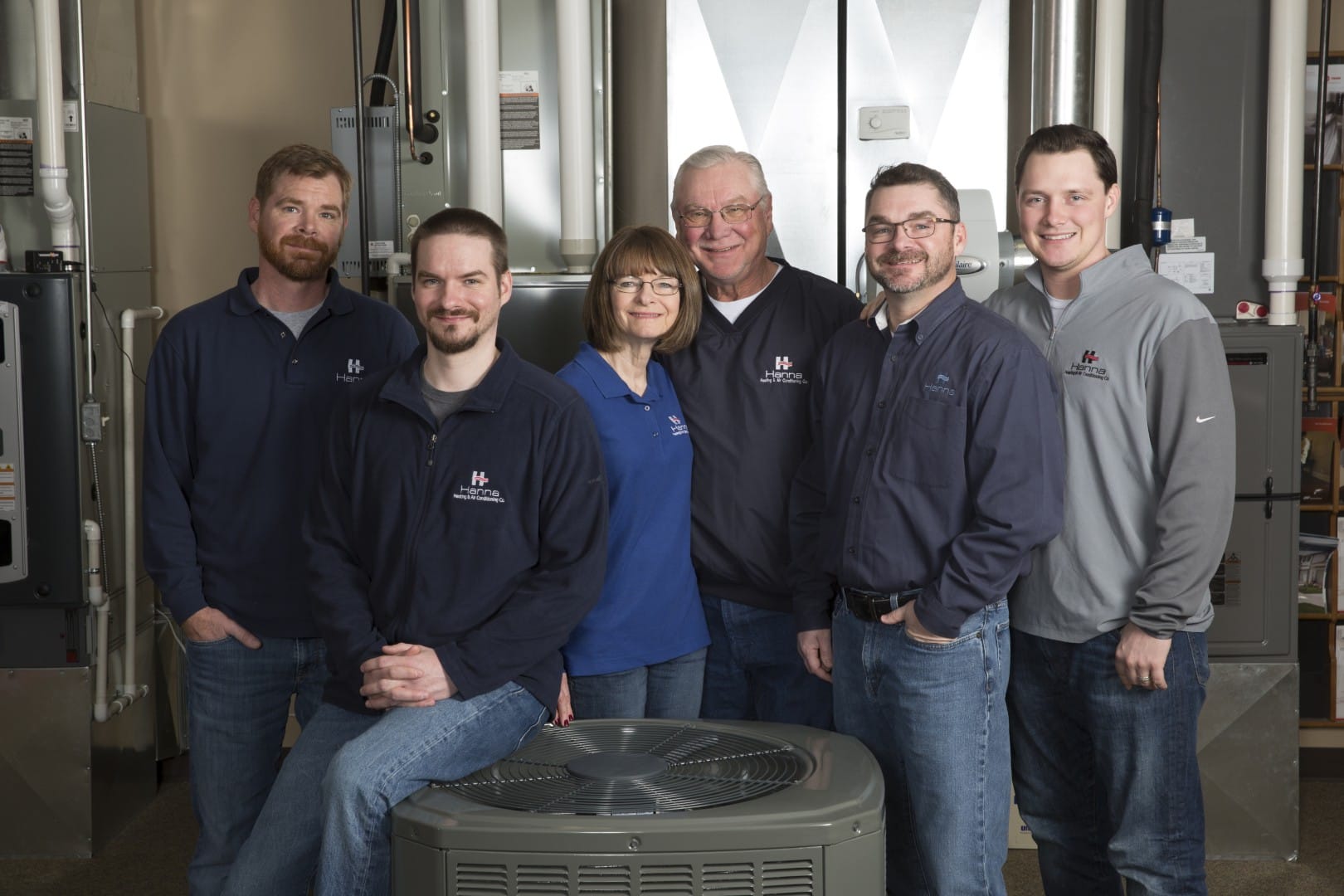
That’s the approach Hanna Heating & Air takes with older systems. Our technicians, more than a dozen of whom have 20+ years in Wichita HVAC, give you an honest picture of where your furnace stands. If repair makes sense, we’ll say so. If it’s time to replace, we’ll help you find the right system, not the priciest one.
Why Readiness Matters in Kansas
Kansas winters don’t ease in politely. A sunny 60-degree afternoon can turn into a single-digit night with little warning. When that happens, half the city calls for help at the same time.
Hanna has more than 70 trucks on the road and three locations in West Wichita, Andover and Newton. That depth means we can still get to you when demand spikes. Members of our VIP maintenance program get two seasonal tune-ups each year, priority service, 10% off parts and labor and 5% off replacement systems. For anyone with an aging furnace, that priority spot in line is worth a lot on the coldest night of the year.
Frequently Asked Questions
How often should a 10-year-old furnace get maintenance?
Once a year at minimum, ideally in early fall before heavy use starts. Older furnaces benefit from a thorough inspection each year because several parts tend to wear out in the same stretch. Pair that yearly heating maintenance visit with filter changes every one to three months.
Can furnace maintenance make an old furnace last longer?
Yes, within limits. Regular maintenance catches small problems before they damage bigger parts, which can add years of useful life. It can’t reverse metal fatigue in the heat exchanger, though. Maintenance extends a furnace’s life; it doesn’t make it new again.
Is it worth repairing a 15-year-old furnace?
Sometimes. Use the $5,000 rule: multiply the age by the repair cost. Under $5,000, repair is often reasonable. Over that, replacement usually saves money long-term. A cracked heat exchanger almost always means it’s time to replace.
What’s the biggest mistake owners of older furnaces make?
Waiting for a full breakdown to think about replacement. By then, you’re making a big decision under pressure. Ask your technician at each tune-up how many good years they think the furnace has left, and start planning when that number gets small.
Ready for Whatever Kansas Throws at You
An older furnace doesn’t have to be a source of constant worry. With thorough furnace maintenance, you’ll catch worn parts early, spot the warning signs that matter, and build a record that makes the repair-or-replace choice clear.
Remember the key takeaways. Older furnaces need deeper inspections, especially of the heat exchanger. Rising repairs and higher bills are signs to pay attention to. And the $5,000 rule gives you a simple starting point for the big decision.
Most of all, plan ahead. The best time to decide your furnace’s future is on a calm fall afternoon, not a frozen January night.
If your furnace is 10 years old or more, schedule a furnace tune-up with Hanna Heating & Air today. We’ll tell you straight where your system stands, and we’ll be ready when you need us. Hanna: Ready for Kansas.
Add Comment