
When spring arrives in Wichita, blooming trees and flowers bring warmer weather—but they also bring a surge of allergens. Pollen, dust, and other airborne particles can easily make their way inside your home, where they circulate through your HVAC system and impact the air your family breathes every day. If anyone in your household struggles with seasonal allergies, preparing your home’s indoor air quality before allergy season ramps up can make a noticeable difference.
Your heating and cooling system does more than regulate temperature—it also plays a key role in filtering and moving air throughout your home. Without proper maintenance and filtration, allergens can continue circulating indoors long after they enter. Taking a few preventative steps now can help reduce airborne irritants and keep your home feeling fresher and more comfortable as spring approaches.
The team at Hanna Heating & Air Conditioning helps Wichita homeowners create healthier indoor environments with professional HVAC maintenance and indoor air quality solutions. By addressing air quality before allergy season peaks, you can help ensure the air inside your home stays cleaner and easier to breathe.

Identify Common Indoor Air Pollutants
Before tackling ways to improve indoor air quality, it’s important to understand what’s contaminating the air inside your home. Some of the most common pollutants that can trigger allergies and respiratory issues include:
- Dust and Dust Mites – Dust is a mixture of tiny particles, such as fabric fibers, dead skin cells, and dirt. Dust mites, microscopic insects that thrive in warm, humid environments, are a major allergen found in household dust.
- Pet Dander – Even if you’re not allergic to pets, their dander can linger in the air and settle on furniture, carpets, and bedding. Pet saliva and urine can also contain allergens that worsen indoor air quality.
- Mold and Mildew – Mold and mildew thrive in damp areas like bathrooms, basements, and kitchens. Their spores can become airborne and trigger allergic reactions, respiratory issues, and even more serious health problems.
- Pollen – While pollen is generally an outdoor allergen, it can easily make its way indoors through open windows, on clothing, and even on pets. Once inside, it settles on surfaces and becomes a hidden trigger for allergy sufferers.
- Volatile Organic Compounds – VOCs from household products can negatively affect indoor air quality. This includes products like household cleaners, air fresheners, and paints.
One of the best ways to keep your home’s HVAC equipment running at peak efficiency is by signing up for Hanna’s VIP Home Maintenance Program. For a low monthly cost, members can enjoy benefits like lower utility bills, improved comfort, extended equipment life, and lower bacterial growth in the home.
Improve Ventilation
Proper ventilation is key to maintaining fresh indoor air and reducing the buildup of allergens and pollutants. However, during allergy season, it’s important to balance fresh air intake while minimizing pollen exposure. Ways to better ventilate your home include:
1. Strategically Open Windows
Fresh air circulation can help flush out indoor air pollutants, but during allergy season, opening windows can invite pollen inside. To reduce exposure, open windows early in the morning or late in the evening when pollen counts are lower. Use window screens or filters designed to trap pollen and dust while allowing airflow.
2. Use Exhaust Fans
Cooking releases airborne particles, smoke, and grease, all of which can degrade indoor air quality. Running the kitchen exhaust fan while cooking helps remove these pollutants. Bathrooms are prone to excess moisture, which can lead to mold growth. Using an exhaust fan after showers prevents humidity buildup and discourages mold formation.
3. Reconsider Your HVAC System
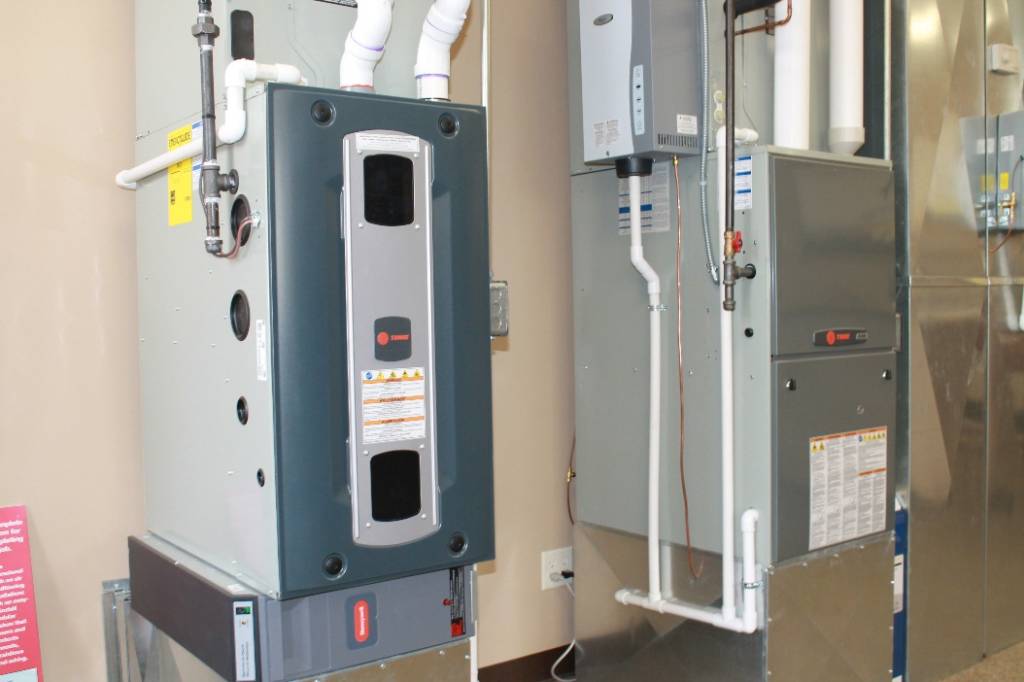
Consider making the switch to an air exchanger or HVAC system with proper ventilation settings. Also, ensure that your HVAC system is set to circulate fresh air and has a clean, high-quality air filter to trap dust, pollen, and other airborne particles. Regularly check and clean air ducts to prevent dirt and dust accumulation.
While improving the efficiency of your HVAC equipment and indoor air quality is important for all households, these services can be costly over time. Fortunately, Hanna Heating & Air Conditioning offers exclusive HVAC special offers to make getting the services you need more affordable. Also, ask about our convenient financing options.
Upgrade Air Filters and Purifiers
One of the most effective ways to improve indoor air quality before allergy season is by upgrading your air filtration system. High-quality filters and air purifiers can significantly reduce allergens like dust, pollen, and pet dander, helping you breathe easier.
High-efficiency particulate air (HEPA) filters are ideal for homes with allergy sufferers as they are designed to capture 99.97 percent of airborne particles as small as 0.3 microns, such as pet dander, dust mites, and pollen. You’ll also want to change air filters in your home regularly as dirty or clogged filters can reduce airflow efficiency.
Finally, consider using a portable air purifier for bedrooms and high-traffic areas. Placing a HEPA air purifier in these areas can help capture airborne allergens before they have the chance to settle on surfaces. Ensure that the purifier you choose is appropriately sized for the room to maximize effectiveness.
Control Humidity Levels
Maintaining the right humidity levels in your home is essential for preventing mold growth and reducing allergies. Excess moisture can create an ideal environment for mold, mildew, dust mites, and other allergy triggers.
The ideal indoor humidity range is between 30 and 50 percent. Anything higher encourages mold and dust mites, while lower humidity can cause dry skin and irritation. Damp areas, such as bathrooms, basements, and laundry rooms, are especially prone to excess moisture, making them hotspots for mold growth.
A dehumidifier can help remove excess moisture from the air, preventing mold growth and musty odors. Remember to regularly empty and clean the dehumidifier to keep it working efficiently.
Reduce Indoor Allergens
Minimizing indoor allergens is key to improving air quality and preventing allergy flare-ups before allergy season hits. Dust, pet dander, and pollen can settle on various surfaces in your home, making regular cleaning and smart material choices essential.
Vacuum rugs and carpets with a HEPA vacuum at least once a week. Standard vacuums can stir up dust and allergens, but HEPA-filter vacuums trap tiny particles instead of distributing them. Focus on high-traffic areas, under furniture, and areas where pets frequent.
Next, remember to wash bedding, curtains, and upholstery frequently. Wash sheets, pillowcases, and blankets at least once a week in hot water to kill dust mites. Launder curtains and cushion covers regularly, especially if you live in a household with pets. You’ll also want to minimize clutter in the home as this is where dust can accumulate.
Schedule an HVAC Inspection
Your HVAC system plays a crucial role in maintaining indoor air quality, especially before allergy season. A well-maintained system can help filter allergens, regulate humidity, and improve airflow. Scheduling an inspection ensures that your system is running efficiently and not circulating dust, pollen, or mold throughout your system.
Ideally, you want to get your HVAC system cleaned and inspected in the spring, and again in the fall. Routine maintenance helps prevent dust and mold buildup, which can worsen allergy symptoms. Regular servicing also improves energy efficiency and extends the lifespan of your system.
Hire a professional to inspect and clean your ducts regularly. Over time, dust, pet dander, and mold can accumulate in air ducts, reducing air quality. Consider professional duct cleaning if you notice excessive dust around vents or musty odors when the system runs. Sealing any leaks in the ductwork can also help prevent contaminants from entering your home’s air circulation.
Improve Indoor Air Quality with Help from Hanna
Taking steps to improve your indoor air quality before allergy season ramps up can help make your home a more comfortable place to relax and breathe. Small changes—like replacing air filters, keeping your HVAC system properly maintained, and adding indoor air quality solutions—can go a long way in reducing allergens and keeping the air inside your home cleaner.
If you want to get ahead of allergy season, the team at Hanna Heating & Air Conditioning is here to help. We proudly serve homeowners throughout Wichita, KS with HVAC maintenance and indoor air quality solutions designed to improve comfort and create a healthier home environment. Contact us today to schedule service and start enjoying cleaner indoor air this spring.
Add Comment